Dressed to Impress or Dressed to Alarm: The Surprising Way Interview Attire Sends the Wrong Signal
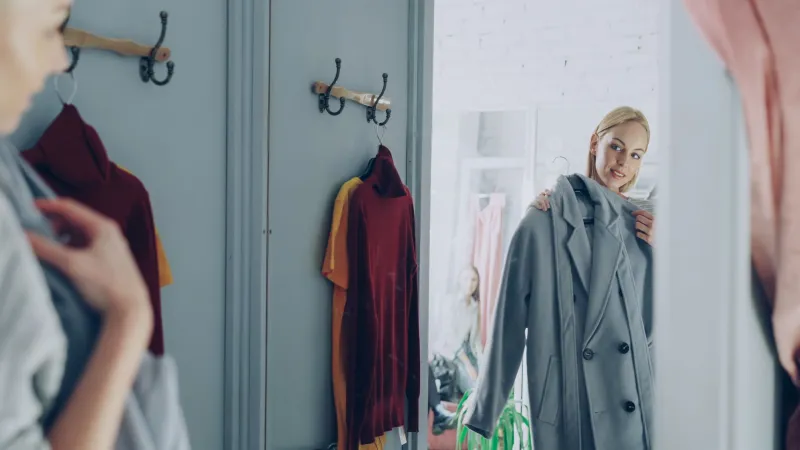
When visa applicants prepare for their consular interview, they typically focus on documents, rehearsed answers, and the logistics of arriving on time. What receives far less deliberate attention—yet carries significant communicative weight—is what they choose to wear. Most applicants default to one of two instincts: dress as formally as possible to signal seriousness, or dress casually to appear relaxed and approachable. Both instincts, taken to their logical extreme, can undermine an otherwise credible application.
At Star Visa Consultants, we work with international professionals across a wide range of visa categories, and attire-related missteps come up more frequently than clients expect. This article examines why the safest-seeming choice is often not the strategically sound one—and how to find the register that works in your favor.
Why Overdressing Can Signal Desperation
There is an intuitive logic to wearing your most formal attire to a visa interview. You want to demonstrate respect for the process, signal that you take the matter seriously, and project an image of professionalism. In many cultures, arriving in formal business dress for any official appointment is simply standard practice.
However, consular officers are trained to assess authenticity. When an applicant appears in a three-piece suit or an elaborate formal gown for what is, in practical terms, a structured administrative interview, a subtle incongruence can emerge. The officer may begin to ask: does this person's presentation match the life they have described? A software engineer applying for an H-1B visa who arrives dressed as though attending a board meeting at a Fortune 500 company may look coached rather than genuine—as though the formality is a performance designed to impress rather than a natural expression of professional identity.
This matters because authenticity is one of the core things a consular officer is trying to assess. They are evaluating whether the narrative in your application aligns with the person sitting in front of them. Extreme formality can disrupt that alignment, particularly when the applicant's declared profession, lifestyle, or cultural background does not naturally call for it.
The Opposite Problem: What Casual Attire Communicates
On the other end of the spectrum, arriving in casual or informal clothing sends a different set of signals—and not necessarily the intended ones. While some applicants believe that dressing down will make them appear more relaxed, natural, or unpretentious, the consular officer may interpret it as indifference toward the process, a lack of preparation, or insufficient understanding of what is at stake.
This is particularly consequential for applicants in visa categories that require demonstrating strong ties to their home country, professional accomplishment, or financial stability. Casual attire can inadvertently undercut these claims before a single word is spoken. In a setting where first impressions are formed within seconds and the interview itself may last only a few minutes, the visual message your clothing delivers is disproportionately influential.
The Cultural Calibration Challenge
One reason this issue is so nuanced is that what reads as "appropriately professional" varies considerably across cultures. Applicants from countries where formal dress is the universal default for any official encounter may not realize that American consular culture often reads extreme formality as a signal of anxiety or over-preparation. Conversely, applicants from more casual professional environments may underestimate how seriously their attire will be read.
Consular officers who conduct high volumes of interviews in specific corridors—say, technology professionals from South Asia or creative professionals from Western Europe—develop pattern recognition over time. When an applicant's presentation deviates sharply from what is typical for their profile, it registers, consciously or not, as a data point worth examining.
Finding the Strategic Middle Ground
The goal is not to dress for a job interview at a prestigious law firm, nor is it to dress as you would for a weekend errand. The goal is to dress in a way that is consistent with who you are as a professional and as a person—elevated enough to signal that you understand the gravity of the occasion, but grounded enough to feel authentic.
For most applicants, this means clean, well-fitted business casual attire. A collared shirt or blouse, well-maintained trousers or a modest dress, and shoes that are polished but not theatrical. Avoid clothing that is visibly brand-new and stiff, as this can read as costume rather than wardrobe. Avoid accessories that draw excessive attention. The objective is to look like a credible, composed version of your everyday professional self.
For applicants in creative or artistic visa categories—such as the O-1B for extraordinary ability in the arts—there is somewhat more latitude to dress in a way that reflects your professional identity. A graphic designer who arrives in a thoughtfully assembled, contemporary outfit may actually reinforce their creative credentials. But even here, the principle of intentionality applies: the choice should feel deliberate, not haphazard.
Practical Guidance Before Your Interview Date
If you are uncertain about the appropriate register for your specific interview, consider the following:
- Research the consulate's general environment. Some consular posts are more formal in atmosphere than others. Applicants who have been through the process at a particular location can sometimes offer useful contextual information.
- Align your attire with your application narrative. If your petition describes you as a senior executive, your attire should reflect that—but naturally, not theatrically. If you are a graduate student, business casual is more appropriate than boardroom formal.
- Avoid last-minute purchases. Wearing something you have never worn before adds discomfort and can affect how you carry yourself, which is also being observed.
- Test your outfit for comfort. Consular waiting areas can be warm, and interviews can be longer than anticipated. Physical discomfort affects composure.
The Broader Principle at Work
What this issue ultimately illustrates is a broader truth about the visa interview process: every element of your presentation is communicative. The words you choose, the documents you bring, the way you answer questions, and yes, the clothes you wear—all of these contribute to the overall impression of coherence and credibility that consular officers are working to assess.
At Star Visa Consultants, we advise clients to think of interview preparation holistically. Attire is one dimension of a larger picture, and while it should not dominate your preparation time, it deserves more than a last-minute decision. A thoughtful choice—one that reflects who you genuinely are as a professional—will always serve you better than an extreme in either direction.
If you have questions about how to prepare for your upcoming visa interview, our consultants are available to provide guidance tailored to your specific visa category and personal profile.